

- Jun 10, 2026
- Dreamworks Tree Services
- Tree Pruning
- 0 Comments
Guide to Tree Trimming and Pruning for Healthy Trees
Tree trimming and pruning both play an important role in maintaining healthy, attractive, and safe landscapes, but they serve different purposes. Pruning focuses on improving a tree’s health, structure, and long-term growth by removing dead, diseased, or weak branches. Trimming is primarily used to manage size, appearance, and clearance around buildings, walkways, and other features. The right approach depends on the tree species, its condition, the season, and nearby hazards such as structures or utility lines. This guide explains the differences between trimming and pruning, when each should be performed, safe techniques, common mistakes, essential tools, and when it’s best to call a professional arborist.
Tree Trimming vs Pruning: What’s the Difference?
Although the terms are often used interchangeably, tree trimming and pruning have different objectives.
Tree pruning is more selective and focuses on improving a tree’s health and structure. It involves removing dead, diseased, damaged, crossing, or poorly attached branches to encourage healthy growth and reduce future problems. Learn more about professional tree pruning for health and structure.
Tree trimming is generally performed to control a tree’s size and appearance while maintaining proper clearance from roofs, driveways, walkways, signs, neighbouring trees, and other structures. It also helps improve light penetration and maintain a balanced canopy. Explore our expert tree trimming for clearance and appearance.
In many cases, trimming and pruning are performed together as part of a complete tree care plan that protects both tree health and property safety.
Why Proper Tree Trimming and Pruning Matter
Regular tree trimming and pruning do much more than improve appearance. They help trees develop stronger branch structure, improve air circulation within the canopy, and remove limbs that are dead, damaged, or affected by disease.
Routine maintenance also improves clearance around roofs, driveways, walkways, and neighbouring properties while allowing more sunlight to reach lawns and gardens below. Identifying structural concerns early can reduce the need for more extensive corrective work later and help lower the risk of storm damage.
Healthy, well-maintained trees add beauty, shade, and value to residential and commercial properties. Working with a trusted GTA tree care company helps ensure each tree receives the right care based on its species, condition, and surroundings.
How to Prune a Tree Safely: Core Principles
Proper pruning is about making thoughtful cuts that support a tree’s long-term health, not simply removing branches.
Start by removing dead, damaged, diseased, or crossing branches that may affect the tree’s structure or create safety concerns. Make clean cuts without damaging the branch collar, which helps the tree seal wounds naturally. Avoid removing too much of the canopy during a single pruning session, as excessive foliage loss can stress the tree and reduce its ability to produce energy.
Tree topping should also be avoided because it weakens the tree, encourages poor regrowth, and increases future maintenance needs.
What Not to Do
- Do not remove large portions of the canopy at once.
- Do not leave branch stubs or cut into the branch collar.
- Do not prune solely for appearance without considering tree health.
- Do not use dull or dirty tools that can damage bark or spread disease.
If you’re unsure about the best pruning approach, consider safe pruning by trained arborists who understand proper pruning techniques for different tree species.
How to Trim a Tree Without Damaging Its Shape or Health
Good tree trimming preserves a tree’s natural form while improving clearance and appearance. Rather than forcing an unnatural shape, trimming should work with the tree’s natural growth habit and long-term development.
Trees may need trimming to reduce overgrowth, improve sightlines, increase sunlight penetration, or maintain clearance from buildings, driveways, fences, and walkways. Directional trimming can also guide future growth away from structures and other obstacles.
Every tree grows differently, so trimming should always consider the species, mature size, surrounding landscape, and overall health. Professional tree trimming for shape and clearance helps maintain attractive, balanced trees without compromising their structure. For complete landscape maintenance, DreamWorks also offers hedge and shrub trimming support.
When to Trim Trees and When to Prune Trees
The best time for trimming or pruning depends on the tree species, its health, weather conditions, and the reason for the work.
In spring, trees should be inspected for winter damage, broken branches, and signs of disease. However, some flowering trees and shrubs should not be pruned until after they bloom.
Summer is often suitable for light corrective pruning, removing hazardous branches, and monitoring tree health after storms or periods of drought.
Fall allows arborists to better assess tree structure as leaves drop, making it a good time to identify damaged limbs and prepare trees for winter weather.
Winter is often ideal for dormant pruning because the branch structure is easier to see, and many trees experience less stress while dormant.
Emergency pruning should always be completed whenever damaged or hazardous branches create an immediate safety concern, regardless of the season. A seasonal pruning assessment can help determine the right timing for your trees.
Tree Trimming Near Power Lines and Other Safety Risks
Trees growing near overhead power lines should never be trimmed by homeowners. Required clearance varies depending on the type of power line, local utility requirements, and the tree species.
If branches are approaching service lines, arrange a professional inspection rather than attempting to prune them yourself. In some situations, responsibility may fall to the utility company or municipality, particularly when trees are located on public property or within utility easements.
Other situations that require extra caution include mature trees, storm-damaged branches, leaning trees, and limbs growing over roofs or public walkways. If you have concerns, request help with hazardous tree trimming or learn more about safe tree trimming near structures or service lines.
Common Tree Pruning and Trimming Mistakes to Avoid
Incorrect pruning can create problems that may not become visible until months or even years later.
Some of the most common mistakes include:
- Topping trees to reduce height.
- Removing too much of the canopy at one time.
- Making flush cuts or leaving branch stubs.
- Using dull or contaminated tools.
- Ignoring the best pruning time for the tree species.
- Focusing only on appearance while overlooking structural concerns.
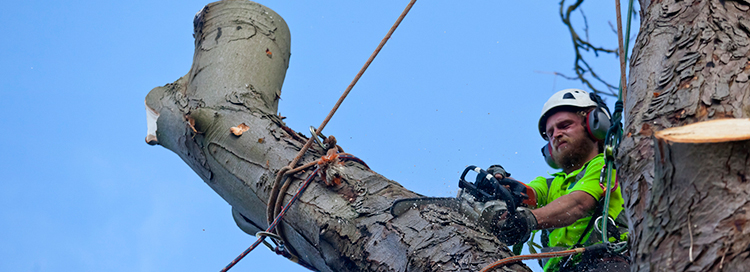
- Attempting to remove large limbs without proper equipment or training.
These mistakes can weaken the tree, increase the risk of disease and decay, encourage poor regrowth, and shorten its lifespan. Learn about DreamWorks’ professional tree care approach to see how proper pruning supports healthier trees over the long term.
Tree Pruning Tools: What Homeowners Should Know
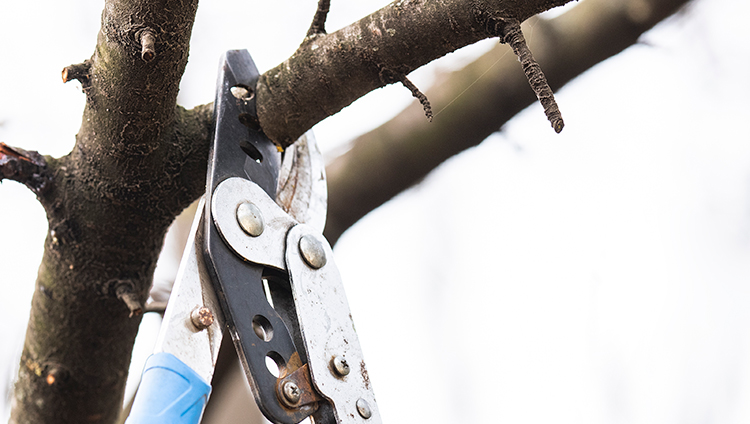
The right tool depends on the size of the branch being removed. Hand pruners are suitable for small twigs, loppers for medium branches, pruning saws for larger limbs, and pole pruners for branches that can be reached safely from the ground.
Whatever tool you use, it should be sharp, clean, and properly maintained to produce clean cuts and reduce the spread of disease between trees.
If the work requires climbing, a chainsaw, or removing large branches, it’s usually safest to ask whether your tree requires professional pruning before attempting the work yourself.
When to Call an Arborist for Tree Trimming and Pruning
Some tree care tasks are best left to trained professionals. Consider contacting an arborist if you’re dealing with mature trees, storm damage, diseased or declining trees, large dead limbs, branches near power lines, or trees growing close to homes, roofs, fences, or driveways.
Certified arborists understand species-specific pruning methods, proper safety procedures, and how to protect both the tree and the surrounding property. They can also determine whether pruning, trimming, or complete removal is the most appropriate solution.
DreamWorks works with homeowners, condominium boards, property managers, and commercial clients throughout the GTA. Request a free tree care quote if you’re unsure what your trees need.
FAQs About Tree Trimming and Pruning
How Often Should Trees Be Trimmed or Pruned?
The ideal schedule depends on the tree species, age, growth rate, and condition. Many mature trees benefit from periodic inspections to determine when maintenance is needed.
What Is the Best Time of Year to Prune Trees in the GTA?
Many trees are commonly pruned during dormancy in late fall or winter, but the ideal timing varies by species and the reason for pruning.
Can I Prune My Own Tree?
Homeowners can often prune small, low branches using proper tools and techniques. Larger trees, structural pruning, or hazardous situations should be handled by professionals.
Is It Safe to Trim Trees Near Power Lines?
No. Trees near overhead power lines should always be assessed by qualified professionals. Never attempt to trim branches that could come into contact with electrical lines.
Book Professional Tree Pruning or Trimming with DreamWorks
Proper trimming and pruning help protect tree health, improve structure, maintain property safety, and enhance the appearance of your landscape. Whether you need routine maintenance or advice on a mature or hazardous tree, DreamWorks provides experienced tree care throughout the GTA and Uxbridge.
Learn more about our professional tree pruning services or expert tree trimming services. If you’re unsure what your trees need, book a free consultation or request a quote today.