

- May 5, 2024
- Dreamworks Tree Services
- Guide
- 0 Comments
Your Guide to Land Clearing
Land clearing is the first and most important step in preparing a property for construction, agriculture, or large-scale landscaping. A well-planned approach ensures the land is safe, accessible, and ready for its intended use without delays or costly setbacks. This guide to land clearing covers what property owners need to know before starting, from site preparation to cost considerations and choosing the right method.
Whether you are preparing land for development or improving access and usability, working with experienced crews and proper equipment makes a measurable difference. Projects across Ontario often require planning, regulatory awareness, and the right approach to vegetation removal. Services like lot clearing and forestry mulching help ensure land is cleared efficiently while supporting long-term property goals. You can also explore our full range of tree services across our service areas.
Importance of Land Clearing for Property Development
The importance of land clearing becomes clear at the very beginning of any development project. Proper site preparation creates a safe and workable environment while helping prevent issues that could impact construction timelines or long-term land use.
Safety, Accessibility, and Site Preparation
Clearing land removes hazards such as dead trees, unstable vegetation, and hidden obstacles that can pose risks during construction. A properly cleared site allows equipment and crews to move safely and efficiently, reducing the likelihood of delays or damage.
Improved access is another key factor. Construction equipment requires stable ground and clear pathways to operate effectively. Without proper clearing, projects can face unnecessary complications that increase both time and cost.
Long-Term Land Usability
Land clearing for property development also supports how the land performs over time. Removing overgrowth helps prevent pest activity, reduces fire risk, and creates a more functional space for future use.
A well-cleared property is easier to manage, plan, and develop. It also improves overall land value by creating a clean, usable space that is ready for construction or landscaping. Proper clearing ensures the land can support long-term development without avoidable setbacks.
How Land Clearing Works

Before starting a project, understanding how land clearing works helps avoid delays, added costs, and site issues. While every site is different, most projects follow a structured approach from evaluation to final preparation.
Site Assessment and Planning
The process begins with a detailed assessment of the property. This includes reviewing vegetation density, identifying access points, and noting any constraints such as terrain, structures, or regulated areas.
Planning ensures the right approach is used for the specific property. It also helps avoid unnecessary clearing and ensures the project aligns with local requirements and site conditions.
Clearing, Grinding, and Debris Management
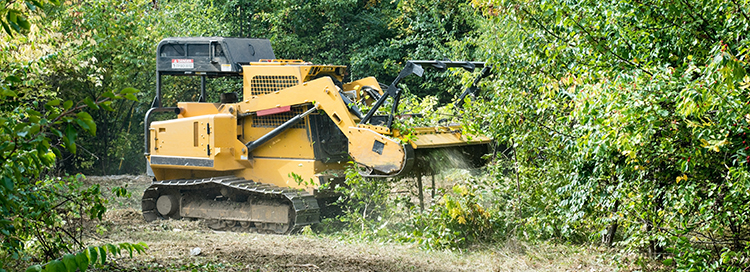
Once planning is complete, clearing begins using appropriate equipment. Vegetation may be removed, mulched, or processed depending on the method used. Forestry mulching, for example, can break down brush and smaller trees into mulch that remains on site.
Debris is either removed or managed depending on the project goals. In some cases, grinding and mulching reduce the need for hauling, while in others, full removal is required for construction readiness. Final preparation ensures the land is clear, accessible, and ready for its next phase.
Forestry Mulching vs Traditional Land Clearing
Choosing between forestry mulching and traditional methods depends on the goals of the project. Both approaches are effective, but they serve different purposes.
When Forestry Mulching Is Appropriate
Forestry mulching is often used when minimal soil disturbance is preferred. It allows vegetation to be cleared while leaving mulch behind, which can help with moisture retention and erosion control.
This method is well-suited for managing overgrowth, maintaining larger properties, and situations where an environmentally responsible land clearing approach is preferred without removing all organic material.
When Full Land Clearing Is Required
Traditional land clearing is typically required when preparing a site for construction or major development. This approach removes trees, roots, and debris to create a fully cleared surface.
Projects that involve building, grading, or significant land changes often require complete clearing to ensure a stable foundation. In these cases, removing all obstacles is necessary to support safe and efficient construction.
Factors That Affect the Cost of Land Clearing
The factors affecting land clearing cost can vary significantly depending on the property and project scope. Understanding these variables helps set realistic expectations and avoid surprises.
Property Size, Vegetation, and Access
Larger properties require more time and equipment, which increases overall cost. The type and density of vegetation also play a major role. Thick brush, mature trees, and root systems require more effort to remove than light overgrowth.
Terrain and accessibility also impact pricing. Sloped, uneven, or difficult-to-access areas may require specialized equipment or additional time to complete safely.
Disposal, Permits, and Time Requirements
Debris handling is another factor. Some projects require hauling material off-site, while others may use mulching to manage it on-site. Permit requirements can also influence cost, especially if approvals are needed before clearing begins.
Project timelines vary depending on complexity. Additional work, such as grading or site preparation, can also affect the final cost. For guidance on permits, visit our permit applications page or contact us to discuss your project.
Common Lot Clearing Mistakes to Avoid
Understanding lot clearing mistakes to avoid can help prevent delays, added costs, and long-term issues.
Underestimating Scope and Equipment Needs
One of the most common issues is underestimating the scale of the project. Incomplete clearing, improper equipment, or lack of planning can lead to problems during construction.
DIY approaches often fall short due to limited equipment and experience. Without proper clearing, roots, stumps, and debris can remain and interfere with future development.
Ignoring Safety and Environmental Considerations
Failing to assess risks or follow local regulations can result in property damage or legal complications. Hidden hazards such as unstable ground or underground utilities can create serious safety concerns.
Working with experienced crews helps ensure the job is done safely and in compliance with local requirements. It also reduces the risk of over-clearing or damaging areas that should be preserved. In urgent situations, services like emergency storm damage cleanup may also be required.
Professional Land Clearing Services in Ontario
Professional land clearing services provide the experience, equipment, and planning needed to complete projects safely and efficiently. From initial assessment to final preparation, working with a qualified team helps ensure the land is cleared properly and ready for use.
At DreamWorks Trees, our team brings the expertise required to manage a wide range of projects across Ontario. Learn more about who we are or request a free property assessment to get started.