


- Feb 10, 2017
- Dreamworks Tree Services
- Tree Planting
- 0 Comments
Tips to Help Care for Newly Planted Trees
Learning how to care for newly planted trees is essential if you want them to grow strong, stable, and healthy over time. While planting a tree may seem simple, the real work begins after it is in the ground, especially when dealing with Ontario’s changing seasons, soil conditions, and weather extremes.
Newly planted trees require consistent attention to support root establishment, reduce transplant stress, and improve long-term survival. Without proper care, even well-placed trees can struggle to adapt and may fail to reach maturity.
This guide covers practical tree planting tips, including how to prepare your property, what to do during planting, how to manage watering newly planted trees, and how to avoid common mistakes. For professional support, explore our tree planting services or connect with our experienced arborist team.
Why Proper Tree Planting and Early Care Matters
Tree planting is a long-term investment that affects both property value and environmental impact. The way a tree is planted and how it is cared for in its early stages directly influences how well it establishes, grows, and withstands external stress over time.
Professional planning and proper early care help trees adapt to soil conditions, resist pests and disease, and develop strong structural integrity. These factors are especially important in Ontario, where seasonal changes can put additional strain on newly planted trees.
Root Establishment and Long-Term Health
Healthy root development is the foundation of a successful tree. Planting at the correct depth ensures roots have access to oxygen, moisture, and nutrients, while proper soil contact helps eliminate air pockets that can limit growth.
Effective preparation of soil for tree planting includes loosening compacted ground and ensuring proper drainage. This allows roots to expand naturally and anchor the tree securely, improving stability and long-term resilience.
Reducing Transplant Stress
All newly planted trees experience some level of transplant shock. Reducing this stress early improves survival rates and encourages consistent growth.
Important tree planting tips include:
- Avoiding root disturbance during planting
- Providing consistent watering in the first few weeks
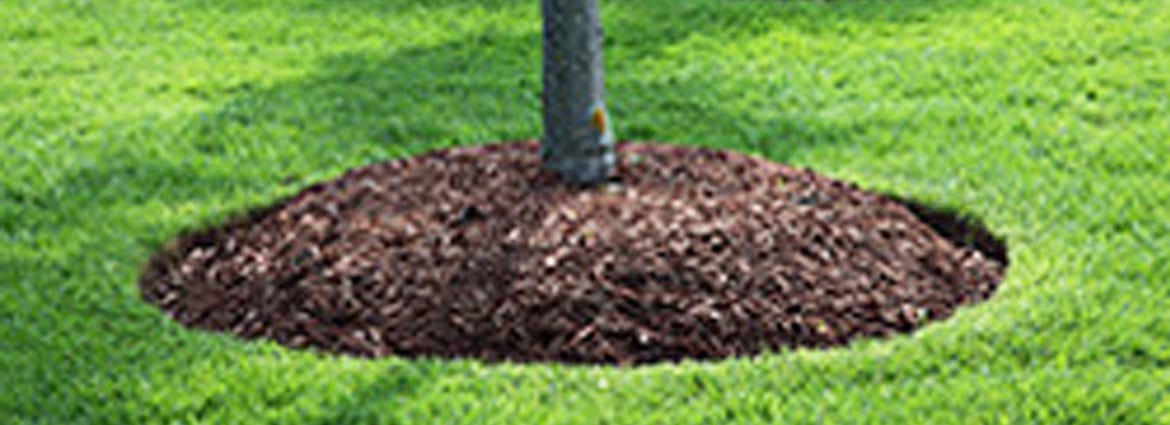
- Applying mulch to regulate soil temperature
- Monitoring the tree for early signs of stress
Ongoing maintenance, such as tree pruning and, when necessary, safe removal of hazardous trees through tree removal services, also supports long-term property safety.
Preparing Your Property for Tree Planting
Proper preparation is a key step in successful tree planting. Taking the time to get your property ready ensures better placement, healthier soil conditions, and a smoother planting process.
Site Selection and Spacing
Choosing the right location affects how well a tree will grow over time. Consider:
- Sunlight exposure based on tree species
- Distance from buildings, driveways, and utilities
- Mature height and canopy spread
- Wind exposure and surrounding landscape
Planning ahead prevents overcrowding and reduces the risk of future structural issues.
Soil Preparation and Drainage
Healthy soil is essential for root development. Before planting:
- Remove debris, weeds, and old plant material
- Loosen compacted soil to improve aeration
- Check how quickly water drains through the ground
- Amend the soil if necessary to improve structure
Properly preparing the soil for tree planting allows roots to establish more efficiently and reduces the risk of water-related issues.
For larger projects or multi-tree planting plans, reviewing your service area and local requirements, such as permit applications, can help streamline the process.
Tree Planting Checklist for Homeowners
Following a clear tree planting checklist helps ensure nothing is overlooked before, during, and after planting.
Before Planting
- Choose the right tree species for your climate and soil
- Confirm planting location and spacing requirements
- Check for underground utilities or overhead wires
- Select the appropriate planting season (spring or fall)
- Gather necessary tools and materials
Immediately After Planting
- Dig a hole twice the width of the root ball
- Position the tree with the root flare at ground level
- Backfill soil and remove air pockets
- Apply mulch 2 to 4 inches deep and keep it away from the trunk
- Water thoroughly after planting
This checklist supports proper installation and aligns with best practice tree planting tips. For larger properties or land preparation, services like forestry mulching may also be beneficial.

Watering Newly Planted Trees
Properly watering newly planted trees is one of the most important factors in early tree care. The goal is to maintain consistent moisture without overwatering or allowing the soil to dry out completely.
How Often to Water a Newly Planted Tree
Watering needs depend on soil conditions, weather, and tree type, but general guidelines include:
- Daily watering for the first one to two weeks after planting
- Weekly deep watering during the first growing season
- Adjusting based on rainfall and temperature
As a rule of thumb, the top 8 to 12 inches of soil should remain moist. Applying approximately 4 to 10 gallons of water per week is often sufficient, but conditions should always be monitored.
Signs of Overwatering or Underwatering
Maintaining balance is key. Watch for:
- Yellowing or wilting leaves
- Dry or cracked soil, which may indicate underwatering
- Soggy soil or poor drainage, which may indicate overwatering
Applying mulch helps retain moisture and regulate temperature, while proper drainage prevents root damage. For ongoing support, request a tree health assessment to evaluate your property conditions.
Common Mistakes to Avoid After Tree Planting
Avoiding common errors can significantly improve the survival rate of newly planted trees.
Improper Mulching and Staking
- Avoid piling mulch against the trunk
- Keep mulch a few inches away from the base
- Only stake trees when necessary and allow slight movement
Ignoring Early Warning Signs
- Wilting or discoloured leaves
- Signs of pests or disease
- Leaning or instability
Failing to address these issues early can lead to long-term problems. Preventative maintenance, including tree pruning and access to emergency tree services, helps protect your investment.
Professional Support for Newly Planted Trees
Caring for newly planted trees requires ongoing attention, proper planning, and the ability to adapt to changing conditions. Working with a professional team ensures your trees receive the right care at every stage, from planting to long-term maintenance.
At DreamWorks Tree Services, we provide expert guidance on care for newly planted trees in Ontario, including planting strategies, site assessments, and ongoing support. Learn more about our experience or contact us to schedule a consultation.