

- Aug 5, 2023
- Dreamworks Tree Services
- Stump Grinding and Removal
- 0 Comments
How to Decompose a Tree Stump Naturally
Tree stumps often appear harmless at first, but over time, they can become a serious problem for homeowners. A leftover stump can attract insects, interfere with landscaping plans, and create ongoing safety hazards in high-traffic areas of your yard. If you are looking to get rid of tree stumps naturally, natural decomposition methods offer an environmentally friendly and cost-effective alternative to chemical treatments or heavy machinery.
This guide explains how to decompose a tree stump using proven, natural methods that rely on moisture, microbial activity, and time. You will learn how different materials, such as Epsom salt, compost, and nitrogen-rich fertilizers, help accelerate decay. We will also compare natural stump removal with professional options so you can decide which approach best fits your property, timeline, and budget. If at any point the project feels unsafe or overwhelming, professional tree care services are always available to help.
Why Natural Tree Stump Removal Is a Smart Choice
Leaving a tree stump behind is not just a cosmetic issue. Over time, decaying wood can create a range of problems that affect both safety and long-term property maintenance. For homeowners who are not in a rush, removing tree stumps naturally is often a practical and responsible solution.
Natural stump removal is especially appealing for property owners who want to avoid chemical stump killers or the cost of renting specialized equipment. These methods are generally low-impact and allow the surrounding soil and plants to remain undisturbed.
Common reasons homeowners choose natural stump removal include:
- Reduced risk of chemical exposure to soil, pets, and children
- Lower overall cost compared to grinding or excavation
- Minimal disruption to lawns, gardens, and nearby trees
- Improved long-term soil health
While natural methods take longer, they allow the stump to break down gradually and integrate back into the soil. For many homeowners, getting rid of tree stumps naturally is a sustainable solution that aligns with long-term landscaping goals.
For situations where time or safety is a concern, professional removal options are available through our tree services page.
Safety and Pest Control Benefits
Tree stumps provide ideal conditions for pests such as termites, carpenter ants, beetles, and fungi. As the wood begins to decay, it becomes a food source and shelter for insects that may eventually spread to nearby trees, gardens, or even structures. Removing or killing a tree stump helps reduce the risk of infestation before it becomes a larger problem.
From a safety perspective, stumps create uneven surfaces that increase the risk of trips and falls. This is especially concerning in yards where children play or where people frequently walk. Organic stump removal improves:
- Yard accessibility
- Child and pet safety
- Overall property usability
By addressing the stump early, you reduce the likelihood of emergency repairs or pest control interventions later.
Quick and Natural Tree Stump Removal Methods
Natural stump removal methods rely on encouraging the biological processes that break down wood. These DIY stump removal techniques are best suited for homeowners who are patient and prefer not to use mechanical grinders.
Below are the most effective natural approaches for homeowners asking how to get rid of a stump without a grinder.
Using High-Nitrogen Fertilizer
Nitrogen is a critical nutrient for bacteria and fungi that decompose wood. Applying nitrogen-rich materials is one of the most effective ways to make a tree stump decompose faster.
How it works:
- Drill multiple holes 8 to 10 inches deep into the top and sides of the stump
- Fill the holes with high-nitrogen fertilizer such as blood meal, composted poultry manure, or alfalfa meal
- Water the stump thoroughly to activate microbial growth
- Cover the stump with plastic to retain moisture and warmth
Spring and fall are ideal seasons for this method because microbial activity is highest. Over time, the stump will soften internally, making it easier to break apart or remove.
Using Epsom Salt
Epsom salt works by dehydrating the stump and limiting its ability to regenerate. It is commonly used for how to decompose a tree stump when homeowners want a controlled and relatively clean process.
Drill holes into the stump, fill them with Epsom salt, lightly water, and cover the stump to prevent rain from washing the salt away. Over several months, the stump becomes brittle and easier to break down.
Using Rock Salt
Rock salt also dehydrates wood and disrupts internal cell structures. However, it can negatively affect the surrounding soil. This method focuses on killing a tree stump rather than preserving soil quality and should only be used when the stump is isolated from lawns and garden beds.
Using a Plastic Bag
Covering a stump with black plastic traps heat and moisture, creating an environment that accelerates decay. This greenhouse-like effect supports microbial growth and is often combined with compost or fertilizer for better results. It is commonly cited as one of the quickest ways to get rid of a tree stump naturally, though it still requires patience.
Using Hot Water
Pouring boiling water into drilled holes helps kill remaining living tissue and softens dense wood fibers. Repeating this process every few weeks maintains moisture levels that support decomposition. This method is often used alongside other techniques to improve results.
Natural Add-Ons to Speed Up Decomposition
Regardless of the method you choose, several enhancements can improve results:
- Scoring or notching the stump to increase surface area
- Removing the outer bark to expose the heartwood
- Applying compost or organic manure around the base
- Mulching heavily to retain moisture
These additions significantly improve outcomes for organic stump removal, especially when combined with nitrogen treatments and moisture control.
What Not to Do When Removing a Stump Naturally
Some removal methods create unnecessary risk and long-term damage. Avoid the following mistakes:
- Burning stumps, which is dangerous and often illegal
- Using gasoline or chemical accelerants
- Applying excessive salt near lawns or gardens
- Attempting to rush the process
- Pulling stumps out with vehicles or winches
Improper methods can damage soil, underground utilities, or nearby structures. When safety is uncertain, professional tree removal services are the better choice.
Natural vs Professional Tree Stump Removal: Which Is Right for You?
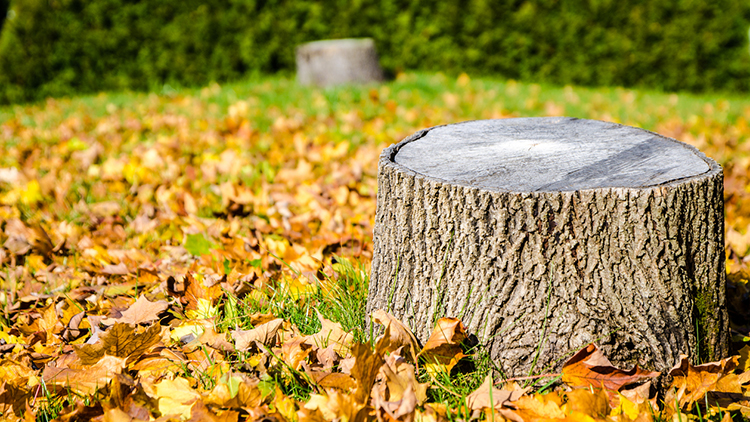
Natural stump removal is best for homeowners with small stumps, flexible timelines, and a preference for eco-friendly methods. Professional removal is ideal when speed, safety, or appearance is a priority.
Natural methods:
- Low cost
- Minimal disruption
- Long timelines
Professional stump grinding:
- Immediate results
- Complete removal
- Ideal for large or visible stumps
If you plan to regrade, build, or replant soon, professional removal saves time and eliminates uncertainty.
Frequently Asked Questions About Natural Stump Decomposition
What Is the Quickest Way to Get Rid of a Tree Stump Naturally?
Combining high-nitrogen fertilizer, moisture, and plastic coverage produces the fastest natural results, though it still takes several months.
Can Natural Stump Removal Attract Pests Before It Is Fully Decomposed?
Yes. Monitoring and proper treatment help reduce pest activity during decomposition.
Is Organic Stump Removal Safe for Pets and Children?
Yes, when chemicals are avoided, and access is restricted during early decay stages.
Professional Tree Stump Removal Services in the GTA
If you need faster results or want the job handled safely and efficiently, DreamWorks Tree Services offers professional stump removal across the GTA. Our team provides free consultations, eco-conscious options, and complete cleanup.
Contact us for a free quote or explore our full tree care solutions.