


- May 5, 2026
- Dreamworks Tree Services
- Uncategorised
- 0 Comments
Guide to Seasonal Tree Care for Healthy Trees Year-Round
Seasonal tree care helps trees stay healthy, safe, and structurally strong throughout the year. Different seasons create different challenges, from spring growth and summer heat stress to fall storms and winter snow damage. A proper seasonal tree maintenance plan includes inspections, watering, pruning, pest monitoring, and storm preparation. Spring tree care focuses on cleanup and recovery, summer tree care emphasizes watering and canopy monitoring, fall tree care prepares trees for winter, and winter tree care supports dormant pruning and structural safety. Consistent care helps reduce hazards, improve tree health, and extend the lifespan of trees across Toronto and the GTA.
Why Seasonal Tree Care Matters
Tree care should never be treated as a one-time task. Trees respond differently throughout the year depending on weather conditions, growth cycles, moisture levels, pest activity, and storm exposure.
Without regular seasonal tree maintenance, small issues can become expensive safety hazards. Weak branches, disease, drought stress, and structural problems are often easier to manage when caught early.
Year-round care also helps improve tree health, protect nearby structures, and maintain curb appeal. Regular inspections and seasonal pruning can reduce the risk of storm damage while encouraging healthier long-term growth.
Professional arborists can help property owners create a maintenance plan based on tree species, age, and property conditions. Learn more about professional tree care services at DreamWorks Tree Services.
Spring Tree Care: Inspect, Clean Up, and Prepare for Growth
Spring tree care focuses on recovery after winter and preparing trees for a healthy growing season. Property owners should inspect trees for broken limbs, bark damage, leaning trunks, and signs of winter dieback.
Spring cleanup may include:
- Removing fallen branches and debris
- Refreshing mulch
- Checking soil moisture
- Watching for early pests or disease activity
However, not every tree should be pruned in spring. Many flowering shrubs and trees bloom on old wood, meaning spring pruning can remove developing buds. Species such as lilac, forsythia, azalea, and rhododendron are often best pruned after blooming.
Certain trees also require careful timing. Birch and maple trees may bleed sap if pruned too early, while elm trees should generally not be pruned between April and August because of Dutch elm disease concerns.
Working with professionals helps ensure pruning is performed safely and at the correct time. Learn more about tree pruning services.
Summer Tree Care: Watering, Monitoring, and Storm Readiness
Summer tree care focuses on watering, monitoring tree health, and preparing for storms. Heat, drought, and heavy summer weather can place stress on both young and mature trees.
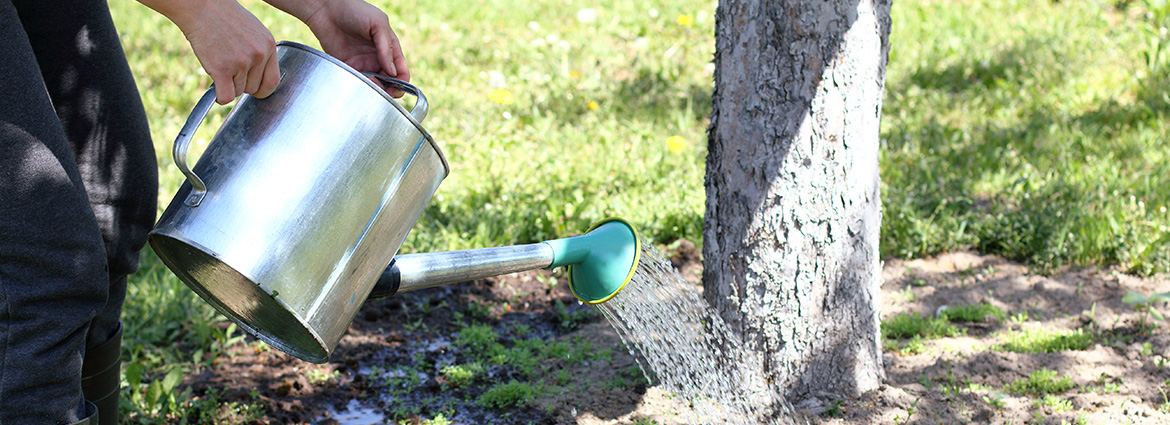
Deep watering is usually more effective than shallow watering because it encourages stronger root growth. Young trees often need additional attention during dry periods, while mulch helps retain soil moisture and regulate temperature.
Summer is also an important time to inspect trees for:
- Dead or diseased branches
- Pest activity
- Weak canopy structure
- Storm-related risks
- Signs of drought stress
Summer storms can expose weak limbs and structural issues that may require pruning, cabling, or bracing. In severe situations, unsafe trees may need removal to protect nearby structures and walkways.
Seasonal maintenance should also include shrubs and hedges, which benefit from regular shaping and monitoring during warm months. Learn more about hedge trimming and shrub care.
Fall Tree Care: Pruning, Planting, and Winter Preparation
Fall is one of the most important seasons for tree care in Toronto and the GTA. As leaves begin to drop, arborists gain a clearer view of tree structure, making it easier to identify weak, diseased, or damaged branches.
Seasonal tree pruning during fall can help:
- Improve structural stability
- Reduce storm damage risks
- Remove hazardous limbs
- Support healthier spring growth
- Prepare trees for snow and ice accumulation
Fall is also an excellent time for tree planting because warm soil and cooler air temperatures help support root development. In Toronto, the fall planting window often runs from late August through mid-October or later depending on weather conditions.
Choosing the right tree and planting location is important. Property owners should consider:
- Sunlight exposure
- Soil conditions
- Drainage
- Wind exposure
- Available growing space
- Nearby buildings or structures
Newly planted and drought-stressed trees should also receive deep watering before winter arrives. Applying mulch and removing high-risk branches can further help prepare trees for harsh winter conditions.
Learn more about tree pruning and tree planting services.
Winter Tree Care: Dormant Pruning and Storm Damage Prevention
Winter tree care remains important even while trees are dormant. In fact, winter is often one of the best times for structural inspections and seasonal tree pruning.
Without leaves blocking visibility, arborists can more easily identify:
- Weak or crossing branches
- Dead limbs
- Structural defects
- Cracks or cavities
- Storm-related hazards
Dormant pruning can reduce stress for many tree species while limiting exposure to pests and diseases that are less active in cold weather.
Winter maintenance may also include:
- Mulching around young trees
- Monitoring snow and ice buildup
- Protecting vulnerable trunks
- Removing hazardous branches
- Inspecting trees after storms
Heavy snow and freezing rain can place extra weight on weak limbs, increasing the risk of damage near roofs, driveways, and walkways. Property owners should avoid dangerous DIY work involving overhead branches or icy conditions.
To request a winter tree inspection or seasonal safety assessment, visit the DreamWorks contact page.
Seasonal Tree Pruning: What to Prune and What to Leave Alone
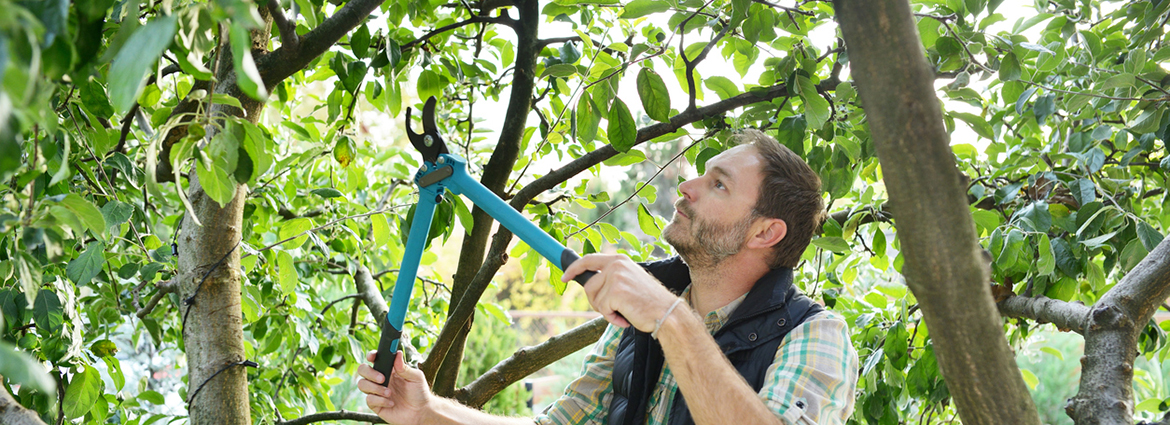
Seasonal tree pruning depends on more than the time of year. Tree species, flowering cycles, structural condition, and disease risk all influence the proper timing for pruning.
Some plants should not be pruned in spring because they bloom on old wood. Birch and maple trees require timing awareness because of sap flow, while elm trees should avoid pruning during periods of high Dutch elm disease activity.
It is also important to distinguish between:
- Emergency pruning for hazardous limbs
- Routine pruning based on species and season
- Structural pruning for long-term tree stability
Qualified arborists can determine the safest and healthiest pruning schedule for your property. Learn more about seasonal tree pruning services.
When to Call a Certified Arborist
Some tree care tasks require professional evaluation and equipment. Property owners should contact a certified arborist when dealing with:
- Large dead limbs
- Leaning trees
- Storm damage
- Branches near power lines
- Signs of decay or disease
- Limited planting space in urban areas
ISA Certified Arborists understand Ontario tree species, seasonal timing, structural risks, and proper safety procedures. DreamWorks Tree Services evaluates tree condition, property risks, and seasonal timing before recommending pruning, planting, or removal services.
Learn more about who we are or request an assessment.
FAQs
Is Fall a Good Time to Plant Trees in Toronto?
Yes. Fall planting allows roots to establish in warm soil before winter dormancy begins.
Should Trees Be Watered Before Winter?
Yes. Newly planted and drought-stressed trees should receive deep watering before the ground freezes.
Can Trees Be Pruned in Summer?
Some trees can be pruned during the summer for storm damage, dead branches, or safety concerns.
Plan Seasonal Tree Care with DreamWorks Tree Services
Seasonal tree care is safer and more effective when managed with a long-term plan. Regular inspections, watering, pruning, and storm preparation all help protect tree health and property safety throughout the year.
DreamWorks Tree Services provides professional seasonal tree care throughout Toronto and the GTA for residential and commercial properties. Whether you need pruning, planting, inspections, or storm-prevention support, our certified arborists can help.
Learn more about Toronto tree services or request a quote.